John Thomas “Jack” Miner was born on April 10, 1865, in Dover Centre (now Westlake), Ohio, the sixth of ten children of English immigrants. With only a few months of formal schooling, he learned primarily from the outdoors—roaming creeks, woods, and marshes that sparked his lifelong love of wildlife. In 1878 the Miner family settled in Gosfield South Township near Kingsville, Ontario, where Jack explored the rich wetlands along Lake Erie’s north shore. Through the 1880s he worked as a brick and stone mason and supported the family’s brick-and-tile business, all while hunting, trapping, and observing waterfowl. His mother’s Christian teachings inspired the belief that nature reflected God’s purpose, a theme that would later define his conservation work.
1900
1909
The Birth of the Sanctuary and a New Conservation Ethic
(1900–1909)
By the turn of the century, Miner became increasingly troubled by the decline of waterfowl caused by unregulated hunting and habitat loss. In response, he created the Jack Miner Migratory Bird Sanctuary on his Kingsville farm in 1904—one of the earliest private bird sanctuaries in North America. He believed that faith, science, and stewardship belonged together, asserting that “conservation is God’s work in man’s hands.” His sanctuary offered food, protection, and safe resting areas for migrating birds, laying the groundwork for modern conservation practices.
1909
1915
Pioneering Bird Banding and Migration Science
(1909–1915)
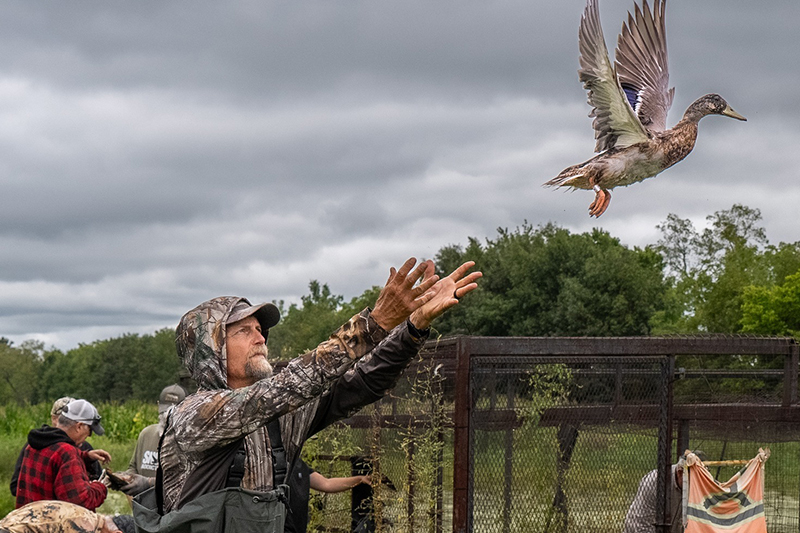
Miner began his groundbreaking bird-banding work in 1909 when he banded his first wild duck with an aluminum leg band stamped with his address and a Bible verse. The first recovery came the following year, in 1910, from Anderson, South Carolina—an event that provided one of the earliest documented migratory links in North America. In 1915 he banded his first Canada goose, expanding his research and gaining both scientific and public attention. Band returns from Indigenous hunters, missionaries, and farmers helped map migration routes from Ontario to Hudson Bay and beyond.
1916
1936
National and International Impact
(1916–1936)
Miner’s work soon influenced conservation policy at the highest levels. In 1916, his banding data was cited during the formation of the Migratory Birds Convention between Canada and the United States, the first international treaty to protect migratory species. His son, Manly F. Miner, joined the sanctuary in 1914 and helped formalize its research by maintaining detailed band-return records. The sanctuary continued to grow in prominence, and in 1931 the Jack Miner Migratory Bird Foundation was established in the United States, followed by its incorporation in Canada through a special act of the Ontario legislature in 1936. These developments secured the long-term future of Miner’s conservation work.
1920
1944
Public Recognition, Education, and Later Years
(1920s–1944)
During the 1920s Miner became a celebrated public speaker, touring across Canada and the United States. He addressed schools, churches, and civic groups, sharing stories of migration, conservation, and faith. His sanctuary became a gathering place for naturalists and dignitaries, drawing the admiration of influential figures such as Henry Ford and baseball legend Ty Cobb. In 1923 Kingsville schools founded “Jack Miner Week,” one of the country’s earliest conservation education initiatives. Miner published Jack Miner and the Birds in 1931, bringing his life’s philosophy to a broad audience. Despite poor health in the early 1940s, he continued to write and lecture, and in 1943 he was honoured with the Order of the British Empire (OBE) by King George VI for his contributions to conservation. Jack Miner died on November 3, 1944, in Kingsville, where thousands gathered to honour his legacy.
1944
1977
Honouring the Legacy
(1944–1977)
Miner’s influence did not end with his passing. After his death in 1944, his sons Jasper and Manley Miner took over the operations of the Sanctuary, ensuring that their father’s work continued uninterrupted. Jasper led the bird-banding program, maintained the grounds, and oversaw day-to-day care of the Sanctuary’s wildlife and habitat. Manley focused on administrative leadership—managing records, organizing fundraising efforts, and building partnerships with conservation groups, schools, and community organizations. Their combined efforts preserved the Sanctuary’s mission through a period of rapid change in conservation practices and public education.
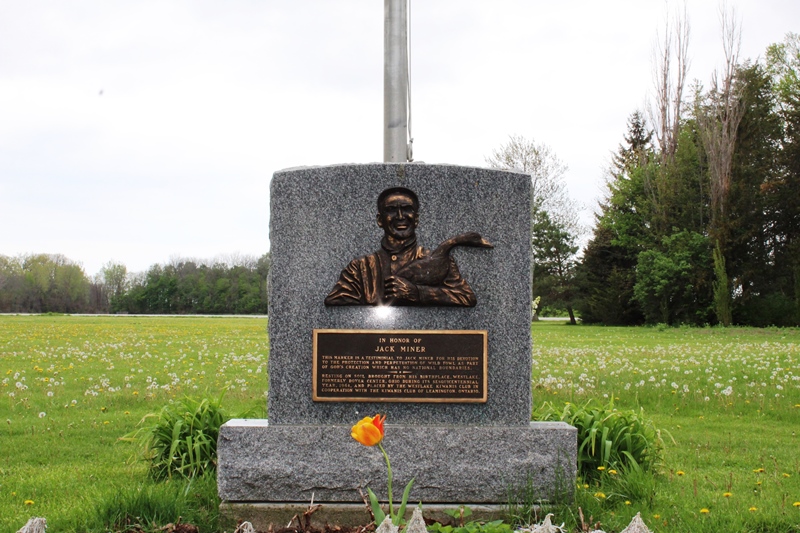
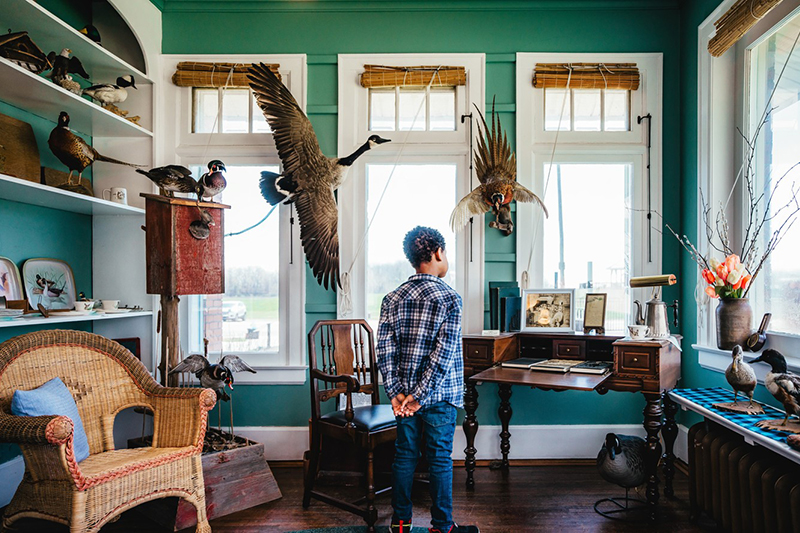
In 1947, Canada declared the week of Jack Miner’s birthday—April 10—as National Wildlife Week, recognizing his role as one of the nation’s foremost conservation pioneers. In 1956, thirty-three United Nations delegates visited the Sanctuary to honour his contributions to wildlife protection. His story was retold for a newer generation in the 1969 autobiography Wild Goose Jack. A major step in preserving his legacy came in 1977 when the Sanctuary’s former horse barn was transformed into the Jack Miner Museum, housing his journals, banding tools, photographs, and historical artifacts.
1977
2026
Modern Sanctuary and Continuing Stewardship
(1977–Present)
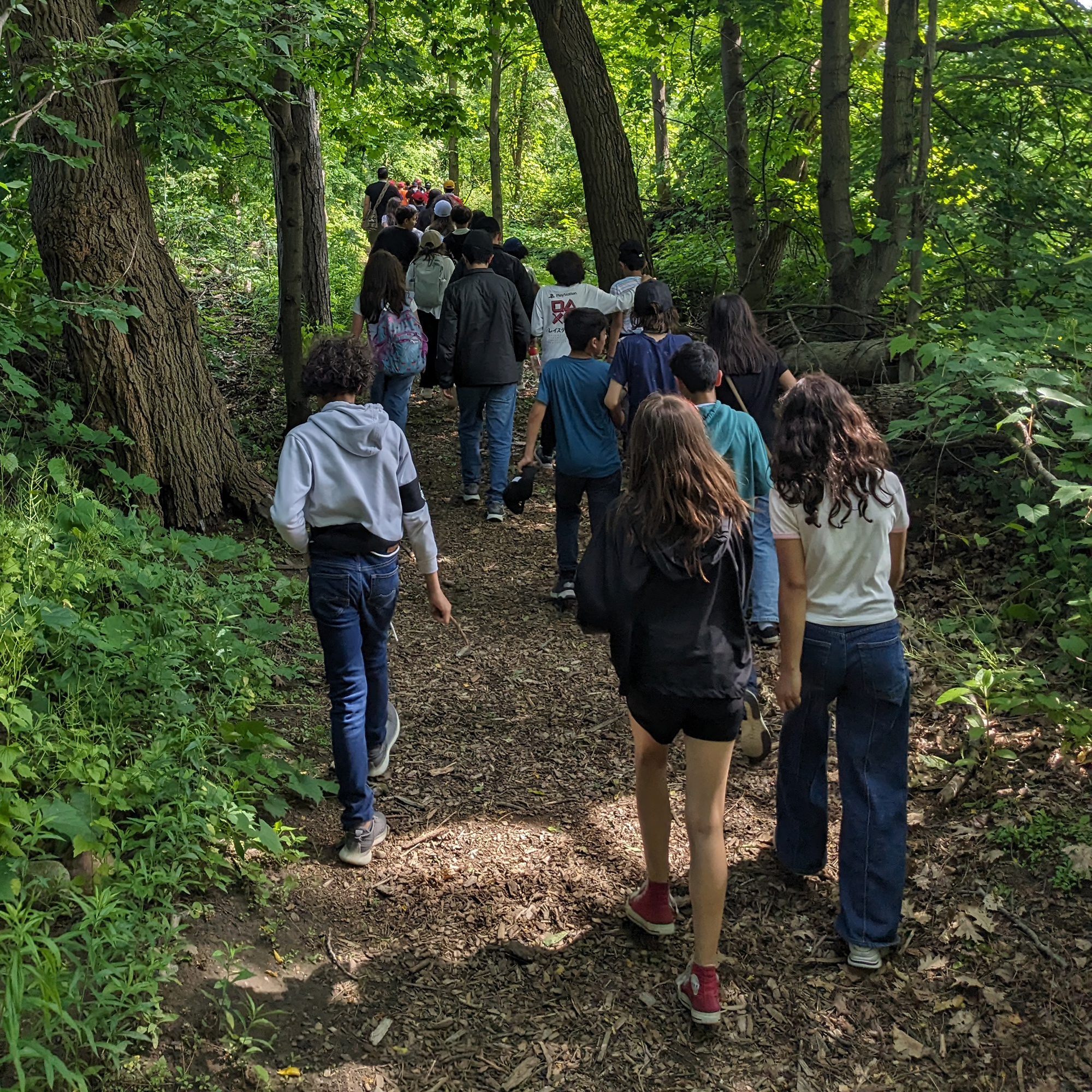
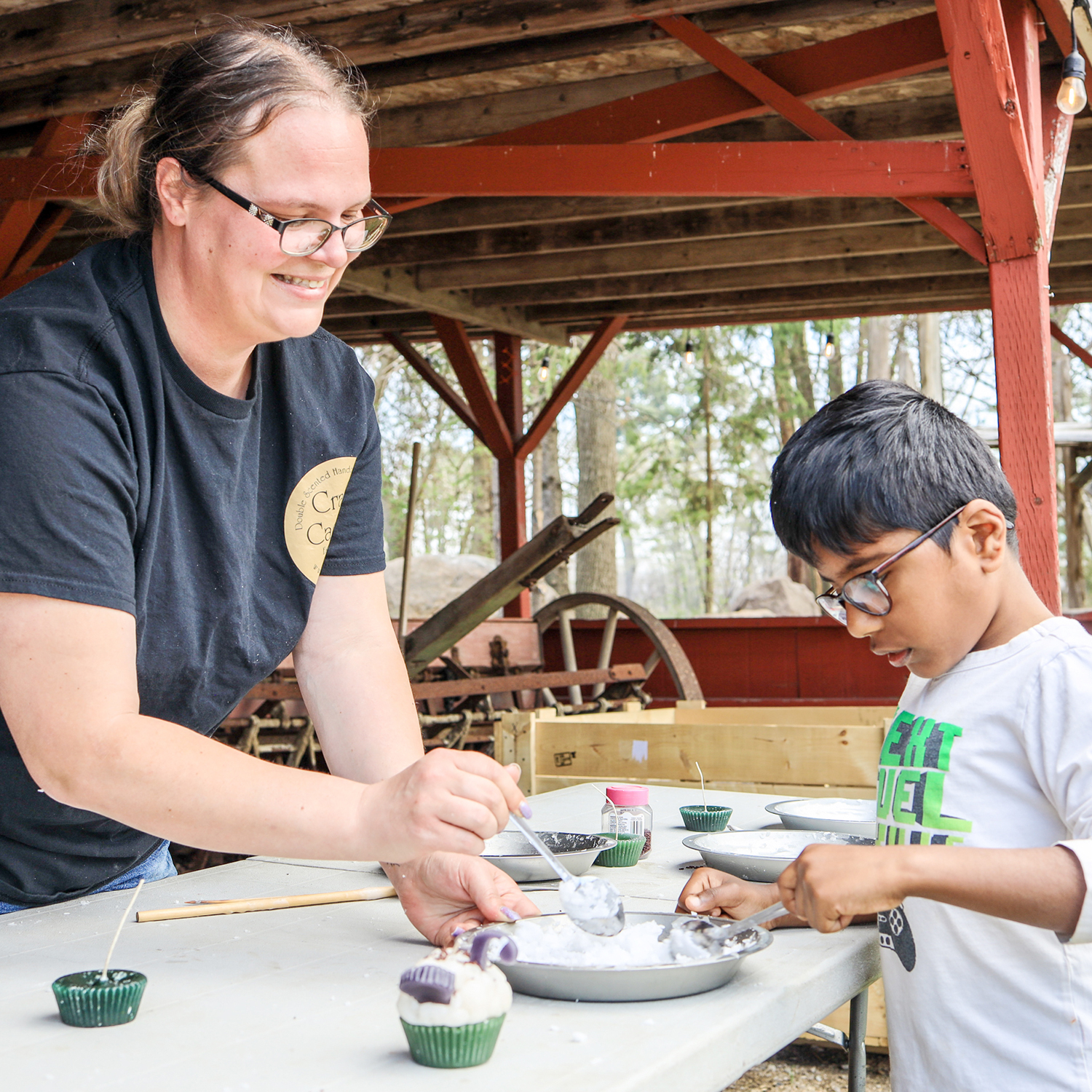
Today, the Jack Miner Migratory Bird Sanctuary encompasses more than 400 acres and stands as one of North America’s longest-operating bird sanctuaries. Visitors explore trails such as Kennedy Woods and enjoy the viewing pond, museum, historic house, seasonal events, and educational exhibits. The Sanctuary’s commitment to learning expanded significantly with the creation of the Jack Miner Learning Centre, which serves as a hub for curriculum-based outdoor education. School groups engage in hands-on programs that connect Ontario curriculum expectations with real-world wildlife stewardship, waterfowl biology, habitat studies, and local conservation history. In addition to on-site experiences, the Sanctuary also offers off-site, in-school programs, allowing educators to bring elements of the Miner philosophy directly into classrooms through presentations, interactive wildlife lessons, and mobile educational resources.
The Sanctuary continues to partner with the Canadian Wildlife Service, conservation organizations, and regional schools to promote education, research, habitat preservation, and bird-banding initiatives. More than 120 years after Miner welcomed his first migrating geese, his guiding belief—that “we might understand God through His works in nature”—remains at the heart of the Foundation’s mission, inspiring new generations to appreciate, protect, and learn from the natural world.